Loading...
Serving Napa, CA and surrounding areas. (707) 254-6177
Napa Concrete is a licensed concrete contractor serving Santa Rosa, CA, building driveways, stamped patios, retaining walls, sidewalks, and foundations. We know Sonoma County clay soils, the City of Santa Rosa permit process, and the mix of postwar ranch homes, Victorian streets, and rebuilt Coffey Park neighborhoods that make up this city. We reply within 1 business day.
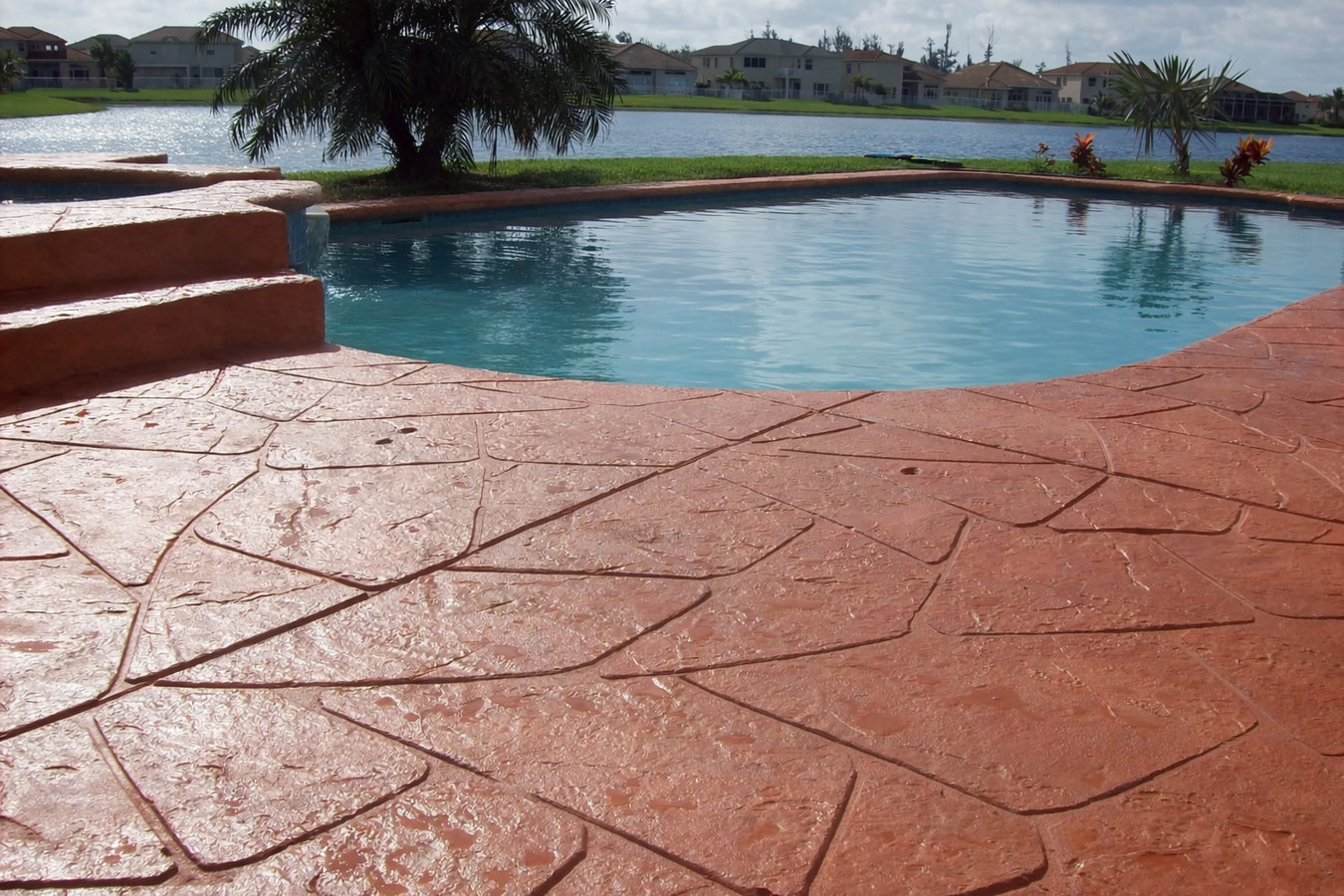
Santa Rosa homeowners invest heavily in outdoor living, and stamped concrete lets a patio or driveway complement a Victorian-era home on McDonald Avenue or a newly rebuilt house in Coffey Park without requiring constant maintenance. Patterns and finishes hold up through Sonoma County winters and the dry-season heat that fades wood alternatives. See our stamped concrete services for the full range of patterns and finishes we offer.
Many Santa Rosa homes were built between 1950 and 1980, and their original driveways are reaching the end of their service life - cracked, stained, and heaving from clay soil movement. A properly poured replacement driveway with correct base compaction and control joint spacing handles the seasonal ground movement that breaks older slabs.
Properties in Fountaingrove and other hillside neighborhoods of Santa Rosa often need retaining walls to manage grade changes and prevent soil erosion during heavy winter rain. Concrete walls outlast timber alternatives in this climate and do not rot or shift as wood does over time.
Santa Rosa summers run long and warm - from June through October, outdoor space gets real daily use. A concrete patio handles that use without the warping, splintering, or staining that affects wood decks, and it requires far less annual maintenance in a climate with both heavy winter rain and summer heat.
Older Santa Rosa neighborhoods, including those near Railroad Square and the downtown core, frequently have sidewalks heaved by tree roots or settled from clay soil movement. The City of Santa Rosa has frontage repair requirements for property owners, and we handle both private walkways and required public frontage replacements.
Santa Rosa's ADU permit volume has grown significantly in recent years as homeowners add accessory units on existing lots. New concrete slabs for ADUs and garage conversions need proper base preparation for the clay soils that underlie most Santa Rosa properties - something that affects long-term performance more than any other factor.
Santa Rosa sits on expansive clay soil, the same type found across much of Sonoma County. Clay absorbs moisture and swells during the rainy season, then dries and contracts through summer. A residential concrete slab in Santa Rosa goes through this cycle every single year. Without proper base preparation - adequate compaction, correct gravel depth, and well-placed control joints - that movement transfers directly into the slab and produces cracking that worsens over time. This is why many driveways in the older neighborhoods of Santa Rosa from the 1960s and 1970s are now failing: they were poured without today's knowledge of how to account for this soil behavior.
Santa Rosa also receives around 30 inches of rain per year, nearly all of it between November and April. That volume of water puts constant pressure on drainage around foundations, along patio edges, and at the base of retaining walls. Projects that do not account for drainage slope and surface runoff paths end up with water pooling against structures - which accelerates concrete deterioration from the inside. The City of Santa Rosa Building Division enforces grading and drainage requirements as part of the concrete permit process, and those requirements exist for good reason.
We pull permits through the City of Santa Rosa Building Division and are familiar with the review process for residential and commercial concrete projects in this city. Santa Rosa is the largest city in Sonoma County, and the variety of properties here - Victorian homes on McDonald Avenue, ranch-style houses in the Roseland and West End neighborhoods, newly rebuilt homes in Coffey Park, and hillside properties in Fountaingrove - means no two jobs look exactly the same. We adapt our base preparation and drainage approach to the specific site conditions on each lot.
The 2017 Tubbs Fire reshaped large parts of Santa Rosa, and many of the homes rebuilt in Coffey Park and parts of Fountaingrove now sit on lots that may have lingering drainage and soil compaction issues from the rebuild process. If your home was rebuilt after the fire, it is worth verifying that the slab, driveway, or patio work completed at the time was done to current code and with the base preparation those sites require.
We also serve homeowners in nearby Petaluma and Rohnert Park. If your project is in Santa Rosa or anywhere in Sonoma County, call us and we will walk you through what is involved.
Call or submit the contact form and we will respond within 1 business day. We will ask a few basic questions - what type of work, approximate size, whether there is existing concrete to remove - and schedule a free on-site estimate at your Santa Rosa property.
We visit the property, assess soil conditions, slope, and drainage, and provide a written estimate breaking out demolition, base preparation, concrete, and finishing. We explain what is driving the price so there are no surprises when the invoice arrives.
We handle the City of Santa Rosa permit application before any work begins. Once the permit is approved, we confirm your project start date. Most residential permits in Santa Rosa take one to two weeks to process.
Most residential concrete jobs take two to five on-site working days. After the pour, a city inspector signs off, and we walk you through curing guidelines - plan to keep vehicles off a new driveway for at least seven days after the pour.
We serve all of Santa Rosa, CA. Free estimates, permits handled, and we reply within 1 business day.
(707) 254-6177Santa Rosa is the largest city in Sonoma County, with a population of roughly 178,000. It sits in the heart of Sonoma Valley, surrounded by wine country, and serves as the commercial and civic center for a large stretch of Northern California. The city has several distinct neighborhoods with very different characters. McDonald Avenue is lined with Victorian and Craftsman homes from the late 1800s and early 1900s, many of them carefully maintained. The Railroad Square Historic District near downtown is known for its stone buildings and independent businesses. Coffey Park, rebuilt largely from scratch after the 2017 Tubbs Fire, is now a neighborhood of newer homes on the northwest side of the city. Fountaingrove sits on the hills to the northeast and has a mix of older custom homes and rebuilt properties. You can learn more about the city at the Santa Rosa Wikipedia article.
The housing stock in Santa Rosa spans more than a century, from Victorian-era homes near downtown to the mass-rebuilt homes now standing in Coffey Park. A large share of the city - particularly the tract neighborhoods on the west and south sides - was developed between 1950 and 1980, and those homes are entering the decades when major exterior systems need attention. We work throughout Santa Rosa and also serve homeowners in neighboring Novato and Petaluma to the south.
Durable concrete driveways designed and poured to last for decades.
Learn moreDecorative stamped finishes that add texture and style to any surface.
Learn moreStructural retaining walls that hold soil and enhance landscaping.
Learn moreProfessional concrete floor installations for residential and commercial properties.
Learn moreSturdy concrete steps and staircases built for safety and curb appeal.
Learn moreReliable slab foundations poured with precision for lasting structural integrity.
Learn moreExpert foundation installation services for new construction projects.
Learn moreCommercial and residential concrete parking lots built to handle heavy traffic.
Learn morePrecise concrete cutting services for repairs, expansion, and modifications.
Learn moreServing these cities and communities.
Call us today or submit a free estimate request. We serve all of Santa Rosa and reply within 1 business day - before the next rain season starts.