Loading...
Serving Napa, CA and surrounding areas. (707) 254-6177
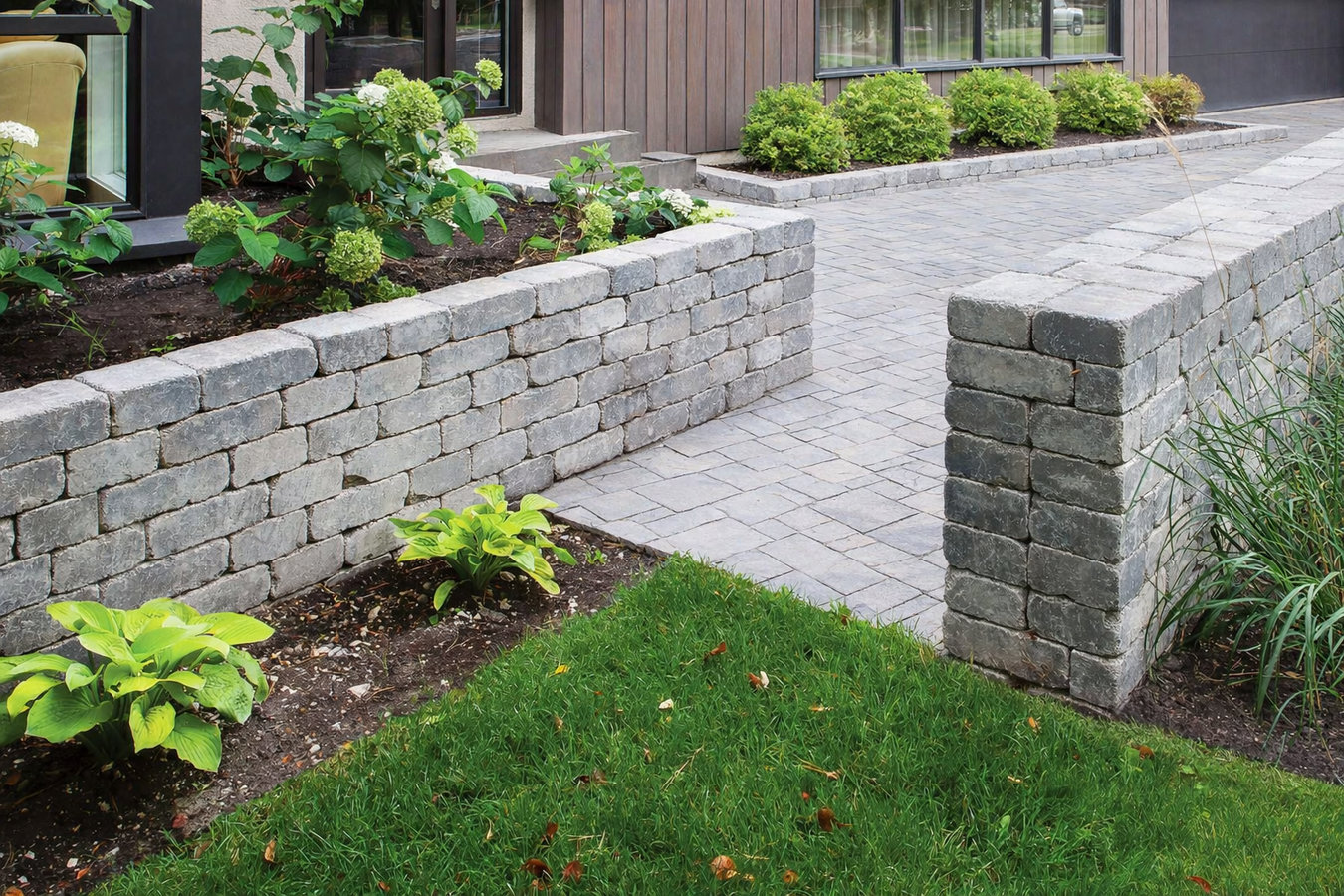
Hillside lots in Napa lose soil every wet season without a properly built retaining wall. We design and build poured concrete walls that account for local clay soils, seismic requirements, and city permits - so the wall holds for decades, not just a few years.
Concrete retaining walls in Napa hold back soil on sloped or uneven lots so the ground does not slide, erode, or wash away - most residential projects take one to five days on-site, with an additional cure period before backfill can be placed. Napa Concrete handles every phase including the City of Napa permit, which is required for most walls above a certain height.
Hillside and sloped lots are extremely common here, especially in neighborhoods like Browns Valley and Alta Heights east and west of downtown. Without a properly built wall, each wet season chips away at slopes, undercuts driveways, and pushes soil toward foundations. If you have already noticed that kind of movement, waiting makes the repair more involved and more expensive.
If your project involves regrading the yard or building outdoor living space, concrete retaining walls work naturally alongside concrete floor installation for terraces or covered patios where a level, durable base is part of the plan.
If you notice soil, mulch, or gravel migrating downhill after Napa's winter rains, your slope is actively eroding. Left alone, this erosion can undercut landscaping, damage hardscape, and eventually threaten your foundation. A retaining wall stops the movement at its source before the damage becomes structural.
A wall that is no longer standing straight is telling you it is failing. Diagonal cracks near corners, a visible lean or bow in the wall face, or gaps where the wall meets the soil are all signs the structure can no longer do its job. In Napa, the combination of clay soils and seismic activity accelerates this kind of wear.
Many Napa homeowners with hillside lots find that most of their yard is too steep to use - no room for a patio, garden, or play area. A retaining wall creates a level terrace that turns an unusable slope into functional outdoor living space without changing the character of the property.
If rainwater runs down a slope and collects against your house after a storm, a retaining wall combined with proper grading can redirect that flow. Persistent moisture against a foundation leads to cracks, mold, and costly repairs over time - especially worth watching after Napa's heavy wet-season storms.
We build poured concrete walls and concrete block walls for residential properties throughout Napa. Every project includes footing excavation, a properly sized concrete footing, the wall itself with reinforcing steel where required, and a drainage layer behind the wall - gravel backfill and weep holes that prevent water from building up pressure against the face. We also build concrete steps to navigate the grade changes a retaining wall creates, so your property has safe access between levels without a separate contractor involved.
For homeowners with a sloped lot who want to create a usable terrace, a retaining wall is the structural piece that makes everything else possible - the flat space for a patio, a garden bed, or a parking area. If the terrace plan includes a covered slab or outdoor floor, we can combine that work with the wall project. And if your property needs more extensive grading or drainage work, we work with the full picture rather than just the wall in isolation. We walk through the complete scope during the free on-site estimate so you know exactly what the project involves before any contract is signed.
Best for homeowners who want maximum strength and a smooth, monolithic appearance - particularly on longer runs or walls subject to high soil pressure.
Suits properties where a textured or modular look is preferred, or where site access makes a full poured wall more difficult to form and pour.
Works well for steep hillside lots where a single tall wall would require heavy engineering - breaking the slope into two or more shorter terraces is often more practical.
Ideal for properties where water management is the primary problem - combining the wall with French drain installation or regrading to redirect water away from the home.
Unlike flat suburban cities, a large share of Napa's residential properties sit on sloped terrain - and that slope does not stay put on its own. Napa's clay-heavy soils swell when winter rains saturate them and shrink back in the dry summer months. That constant expansion and contraction puts ongoing pressure on anything the soil touches - driveways, pathways, and foundations included. A retaining wall built with proper drainage behind it interrupts that cycle before it becomes a structural problem. Homeowners we serve in Petaluma deal with similar clay soil conditions, but Napa adds an earthquake variable that changes how every wall here needs to be designed.
The 2014 South Napa earthquake was a reminder that the ground here moves in ways it does not in calmer parts of the state. Retaining walls that were not built with seismic reinforcement - deeper footings, steel rebar, sometimes an engineer's sign-off - showed the difference after that event. The USGS tracks seismic hazard zones across California, and Napa sits in one of the more active ones. We also see the same hillside slope challenges in Novato and across the North Bay, but the permitting process and soil types are specific to Napa - and that local knowledge matters when the wall goes in. Getting the design right the first time costs less than rebuilding a wall that failed because the drainage or footing was not sized for what Napa actually throws at it.
We respond within 1 business day and schedule a free site visit. We look at the slope, soil conditions, drainage, and any structures nearby - because a retaining wall quote based only on a phone description is not reliable. Most visits take 30 to 60 minutes.
We put together a written proposal covering scope, materials, timeline, and cost. If your wall requires a City of Napa permit - which is common for walls above a certain height - we prepare and submit the application on your behalf. Permit review can add several weeks, so we factor that into the schedule upfront.
The crew digs out the base of the wall area and prepares a solid concrete footing that anchors everything above it. This is the most disruptive phase - expect equipment noise and displaced soil. The footing depth accounts for Napa's seismic requirements, not just the wall height.
Once the footing cures, the wall goes up alongside a gravel drainage layer and weep holes so water has somewhere to go. After adequate curing time, we backfill and grade. If a permit was pulled, we coordinate the city inspector visit and walk you through the finished wall before we leave.
Free on-site estimate. We assess the slope, soil, and drainage before quoting - no guesswork, no pressure.
(707) 254-6177We have built retaining walls on sloped lots throughout Napa, including neighborhoods like Browns Valley and Alta Heights where hillside conditions and clay soils are the norm. Out-of-area contractors often underestimate what these sites require - we do not.
Napa County is mapped as a high seismic hazard area by the California Geological Survey. Every wall we build here uses deeper footings and steel reinforcement sized for ground movement - not just the minimum for a flat-ground structure. You can verify our California C-8 license at the California Contractors State License Board.
Every concrete retaining wall we build includes a properly designed drainage layer - gravel backfill and weep holes that let water escape before it builds pressure against the wall face. Skipping drainage is the single most common reason retaining walls fail early in Napa's clay-heavy soil.
We manage the permit application with the City of Napa Building Division, coordinate the inspection, and make sure everything is on the record before and after the pour. Permitted work protects your property value and avoids complications at resale - and we handle it so you do not have to.
Every retaining wall project we take on in Napa comes with the seismic awareness, drainage planning, and permit handling that this specific city requires. Those are not extras - they are what separates a wall that lasts from one that needs rebuilding in five years.
Pair your retaining wall project with a new concrete floor for a garage, workshop, or interior space that handles the same Napa soil conditions.
Learn moreAdd concrete steps to navigate the grade changes a retaining wall creates, giving you safe, lasting access between levels.
Learn moreSpring and summer project slots fill fast - reach out now and we will schedule your free on-site visit before the next rainy season puts more pressure on that slope.