Loading...
Serving Napa, CA and surrounding areas. (707) 254-6177
Adding a deck, room addition, or retaining wall? The footing underneath is what keeps it from shifting, sinking, or cracking in Napa's clay soils and active earthquake country.
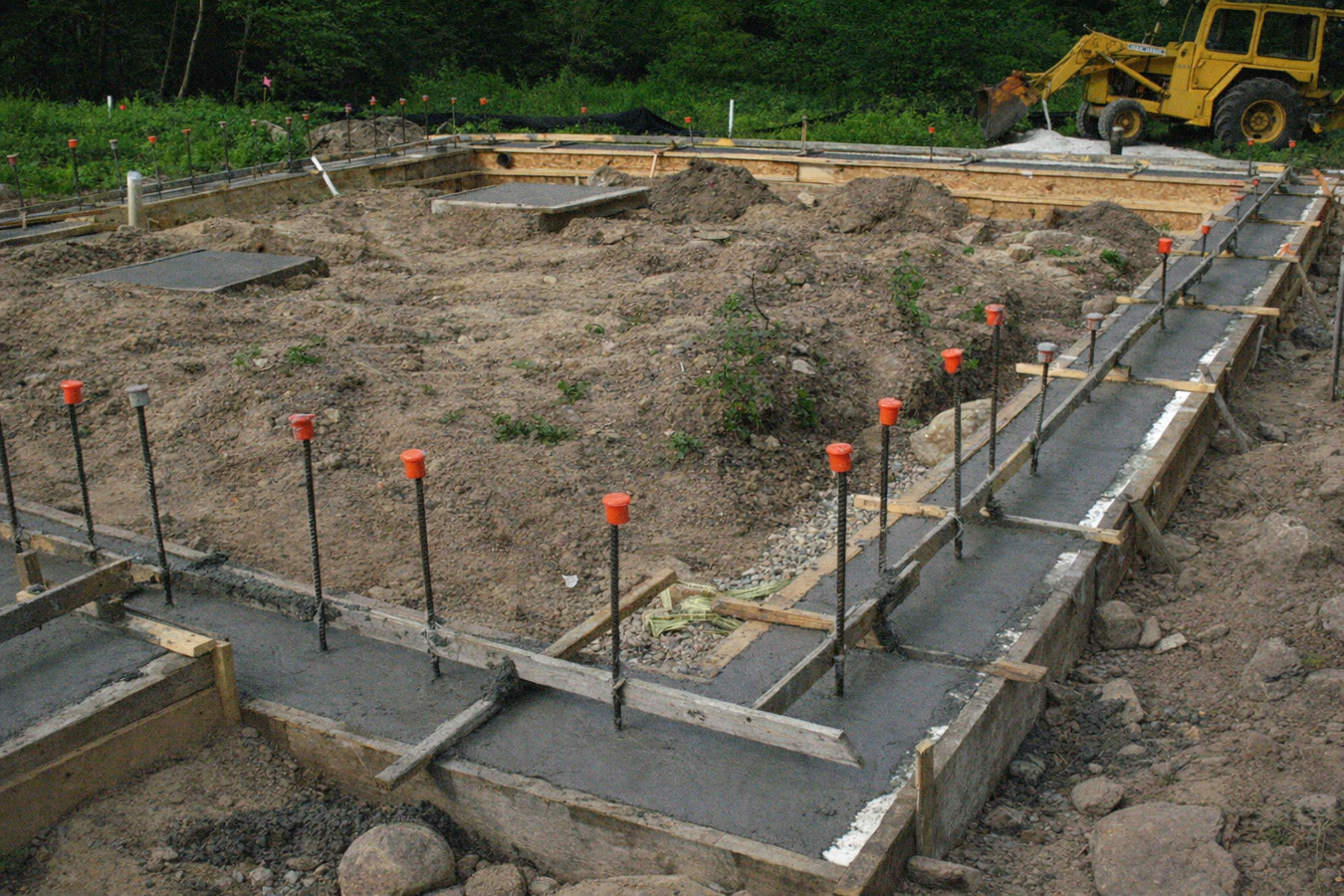
Concrete footings in Napa are the buried base that holds up a deck, addition, retaining wall, or fence post by anchoring into stable soil below the active surface layer. Most residential footing projects take one to three days on site, plus a permit review period from the City of Napa and a curing window before building can start on top. The full timeline from first call to ready-to-build is typically four to six weeks.
In Napa, footings matter more than in many other parts of California. The valley floor sits on clay-heavy soil that swells with winter rain and shrinks back in the summer dry. That movement is what causes decks to lean, additions to crack, and fence posts to gradually tilt. A footing poured too shallow, or sized for stable sandy soil instead of Napa clay, will shift - and anything built on top will shift with it. When the project also involves foundation installation for a new structure, we design both the footings and the foundation to work together from the start.
California's seismic requirements add another layer. Napa sits in an active earthquake zone, and footings here must include more steel reinforcement and specific sizing to handle ground movement. We know those requirements, we pull the permits, and we schedule the required city inspection before any concrete is poured.
Diagonal cracks running along the base of your home's exterior or along interior walls near the floor can mean the footings below are shifting or settling. In Napa, this is especially common on the valley floor where clay soils expand and contract each season. Any crack wider than a pencil line, or one that is growing, deserves a professional look before it becomes a structural problem.
When footings shift, the structure above them shifts too - and one of the first places you notice it is in your doors and windows. If a door that used to swing freely now drags on the floor, or a window that used to open easily now sticks, the frame may have moved. This is a reliable early warning that something is happening at the foundation level.
If your deck or a detached structure has more give than it used to, the footings holding it up may be failing. In Napa's clay soils, footings that were not dug deep enough gradually sink or tilt as the soil moves through wet winters and dry summers. A structure that moves when you walk on it needs to be assessed before it becomes a safety issue.
Any new structure on your Napa property almost certainly needs new footings, and the city requires a permit before work begins. Starting this conversation with a contractor early gives you time to factor in the permit timeline, which can add a few weeks to your project start date. It is better to plan for it than to be surprised by it.
We handle every phase of footing work: the site assessment, permit application, excavation, form setting, steel reinforcement, pour, and city inspection coordination. Before we price anything, we visit your property to look at the soil, identify any site access issues, and understand what you are building on top of the footings. In Napa, that soil assessment determines everything - depth, sizing, concrete mix, and whether additional stabilization is needed. When the project includes foundation raising alongside new footings, we coordinate both scopes so the structural work integrates correctly from day one.
All footings we pour include steel reinforcing bars sized to California's seismic requirements for this region. We schedule the required city inspection before the concrete is poured - not after - so you have independent verification that the work meets the approved plan before it is buried. In Napa's hot summers, we manage curing conditions by scheduling pours for cooler parts of the day and keeping the concrete moist for several days after, which prevents the early strength loss that hot, dry conditions cause.
Suits room additions and detached structures that need a continuous load-bearing base around the perimeter.
Suits decks and pergolas where the load is carried by individual posts rather than a continuous wall.
Suits any retaining wall project where the footing needs to resist both soil pressure and seismic loading.
Suits homeowners with older Napa homes who want to know if existing footings meet current seismic and soil standards before adding on.
Napa's valley floor clay soils are some of the most movement-prone in Northern California. The same soil that makes this region exceptional for growing wine grapes - dense, mineral-rich clay loam - is what causes so many residential structures here to shift over time. A footing dug to a standard depth and width for stable soil will eventually move in Napa's clay. That movement shows up as cracks in walls, sticking doors, and tilting structures - sometimes within just a few years. We dig to the depth the soil conditions require, not just the permitted minimum. The 2014 South Napa earthquake also reminded every homeowner here that seismic loading is a real variable in this valley. California's building code reflects that, and footings in Napa must include rebar schedules and sizing that meet seismic design requirements - which affects both cost and timeline compared to similar work in less active regions.
Many of Napa's older neighborhoods have homes built in the mid-20th century on footings that predate modern seismic and soil standards. If you are adding onto an older home, we assess the existing footings as part of the estimate process and tell you honestly whether they need to be supplemented or can support new load. We serve properties across the region, including Vallejo and Fairfield, and we are familiar with how permit timelines and soil conditions vary from one city to the next. The California Geological Survey seismic hazard maps place Napa in a zone that requires careful structural design - and that starts at the footing level.
We reply within one business day. We ask a few basics - what you are building, where on the property, and whether you have spoken to the city yet. You do not need all the answers up front - just a general sense of the project.
We visit your property to check the soil, measure the footing locations, and assess any access issues. After the visit, you receive a written estimate that breaks down labor, materials, and permit fees separately - not a single number.
We pull the City of Napa building permit, which typically takes one to three weeks. Once approved, we dig, set forms, and place steel reinforcement. A city inspector visits before the pour to verify depth, sizing, and rebar placement against the approved plan.
After the inspection clears, we pour the concrete, remove forms once the slab is firm, backfill, and clean the site. The concrete needs at least one week before load is placed on it. We provide written warranty information before we leave.
We handle the permit, manage the city inspection, and give you a written cost breakdown before any digging begins. No surprise costs, no paperwork headaches.
(707) 254-6177In California, structural work including concrete footings requires a valid contractor license from the California Contractors State License Board. Our license is current and verifiable in minutes. A valid CSLB license also means we carry workers' compensation and liability insurance that protects your property throughout the job.
We check soil conditions before we design any footing. On Napa's clay-heavy valley floor, that means digging deeper and sizing wider than the bare minimum - because a footing built only to the minimum in clay soil is a footing that will eventually shift.
We apply for the City of Napa building permit, track the review, and coordinate the required pre-pour inspection so the city signs off on the work before any concrete is buried. You do not have to call the building department or manage any paperwork.
Every footing we pour in the Napa area includes steel reinforcement sized to California's seismic design requirements for this region. This is not optional here - it is what the ground demands - and it is what protects the structures above your footing when the earth moves.
Every estimate we provide is written and itemized before any digging starts. Knowing exactly what you are paying for - and why each cost is there - is part of how we reduce the anxiety that comes with any structural project. When the work is done, you will have written warranty information and a closed-out city permit to show that it was inspected and approved.
Lifting and leveling an existing Napa foundation that has settled or shifted, often coordinated with new footing work on the same property.
Learn moreFull foundation installation for new structures, designed alongside footings so the two systems work together from the ground up.
Learn morePermit review takes time - reach out now for a free site visit and written estimate so your project is not delayed waiting for approvals.